Study in Ireland for Indian Students: Complete Guide 2026 — Visa, Costs & Post-Study
Divyanshi Singh
Recently • 8 min read

Study in Ireland for Indian Students: Complete Guide 2026
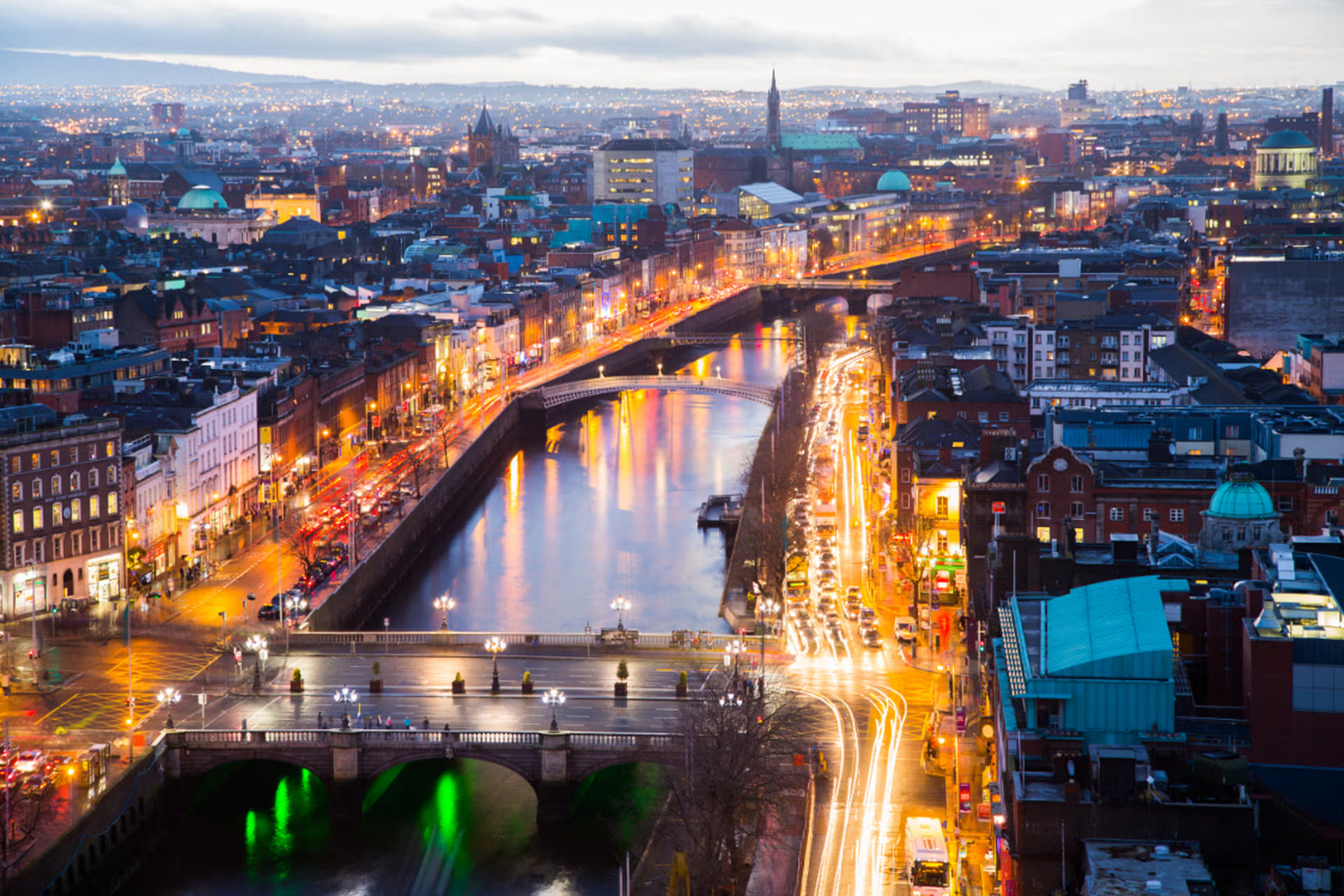
When Indian students think of studying abroad, Ireland doesn't always come to mind first — the UK, Canada, Australia, and Germany usually get all the attention. But that's changing fast. With the UK tightening its Graduate Route and Canada cutting back on student intake, more Indian students are quietly discovering that Ireland offers almost everything they were looking for English-taught degrees, strong job prospects, and a genuinely generous post-study work visa without the crowd.
Planning to Study Abroad?
Get personalized guidance from experienced education counselors.
This guide covers everything you need to know before applying: visa requirements, tuition and living costs, part-time work rules, and why Ireland is becoming a serious contender in 2026.
Why Indian Students Are Choosing Ireland in 2026?
Ireland has three things working strongly in its favour right now:
· English-speaking, EU-adjacent — you get the language comfort of the UK with closer ties to the European job market
· Major global employers based there — Google, Meta, LinkedIn, Pfizer, and dozens of other multinational companies have their European headquarters in Dublin
· One of the most generous post-study work visas in Europe — up to 2 years to work after graduation, with no employer sponsorship needed to start
Add to this a lower cost of living compared to London, and Ireland starts to look less like a backup option and more like a genuine first choice.
Ireland Student Visa Requirements for Indian Students
If your course is longer than 90 days (which almost all degree programmes are), you'll need a D-Type Study Visa (long-stay visa) to enter Ireland.
Basic requirements:
· An unconditional offer letter from a recognized Irish institution
· Proof of funds — usually around €10,000 to cover living costs for the year, in addition to tuition
· Valid health insurance covering your stay
· Academic transcripts and English proficiency proof (IELTS/PTE/TOEFL, unless your previous education was in English)
· A clean police clearance certificate in some cases
Once you land, you'll also need to register with the Irish Residence Permit (IRP) office within your first month to get your residence card — this is what allows you to legally live and work in Ireland during your studies.
Processing time: Ireland is generally faster than the UK or Canada, with visa decisions often coming through in 4 to 8 weeks, though it's always smart to apply early.
Tuition Fees in Ireland for Indian Students
Costs vary depending on the course and university, but here's a realistic range for 2026:
· Undergraduate degrees: €10,000 to €25,000 per year
· Postgraduate (Master's) degrees: €12,000 to €35,000 per year, with business and tech programmes on the higher end
· MBA programmes: €15,000 to €45,000 depending on the business school
This puts Ireland roughly in the same range as mid-tier UK universities, but noticeably cheaper than top London institutions.
Cost of Living in Ireland
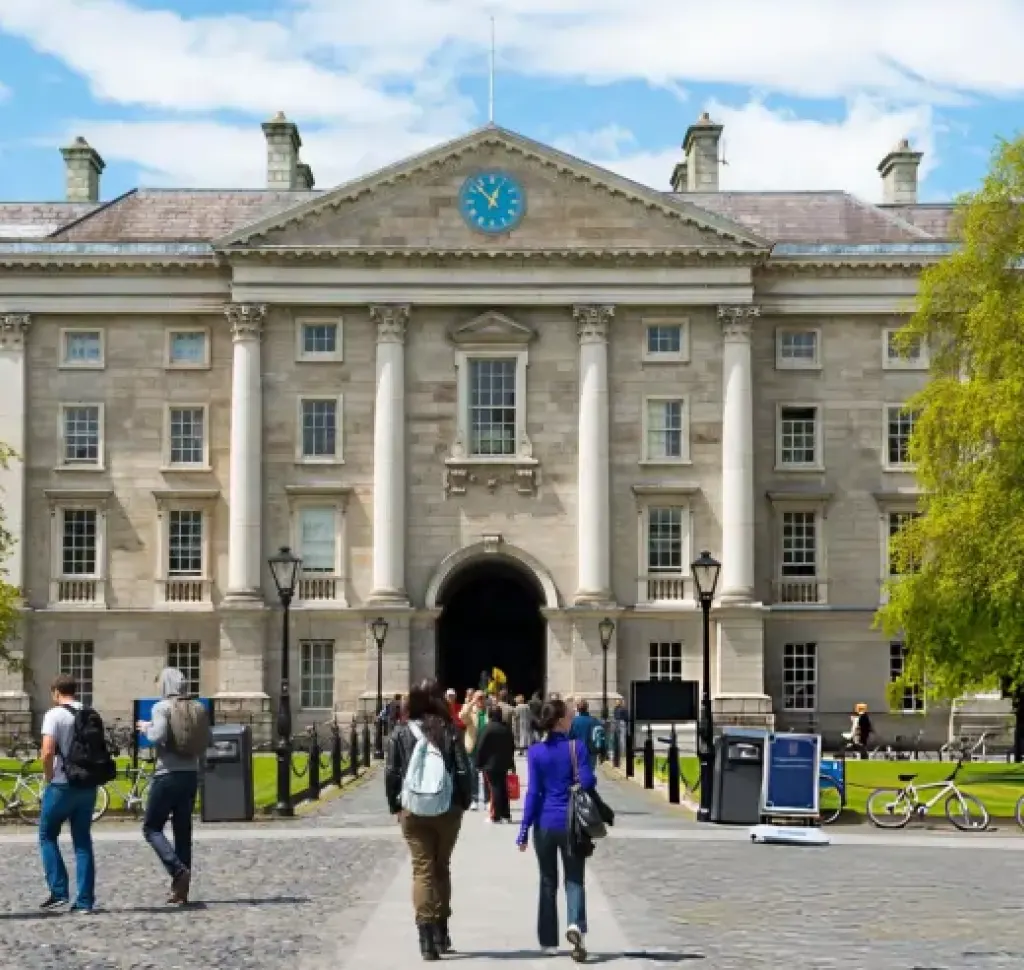
Dublin is the most expensive city, but smaller cities like Cork, Galway, and Limerick offer meaningfully lower costs without sacrificing much in terms of quality of education.
Rough monthly budget (excluding tuition):
· Accommodation: €700 to €1,200 in Dublin; €500 to €800 outside Dublin
· Food and groceries: €250 to €350
· Transport: €50 to €100
· Utilities and phone: €80 to €120
Total monthly living costs typically land between €1,100 and €1,800, depending on the city and lifestyle. Student accommodation is genuinely tight in Dublin, so it's worth starting your housing search the moment your visa is approved, not after you land.
Part-Time Work Rules for Students in Ireland
Ireland allows international students to work part-time during their studies, which helps offset living costs:
· 20 hours per week during term time
· Full-time (up to 40 hours/week) during official holiday periods (June to September, and mid-December to mid-January)
Common part-time jobs for students include retail, hospitality, campus roles, and tutoring — Dublin's large student population means there's steady demand, though competition for the best-paying roles can be high.
The Stamp 1G: Ireland's Post-Study Work Visa
This is where Ireland genuinely stands out. After graduation, students can apply for the Stamp 1G permission, which allows you to stay and work in Ireland without needing a job offer first.
· Bachelor's/Master's graduates: up to 12 months of post-study work permission
· PhD graduates: up to 24 months
During this period, you can work full-time and search for a job that can later sponsor a long-term work permit (like the Critical Skills Employment Permit), which is often the pathway toward longer-term residency in Ireland.
Compared to some other countries tightening their post-study visa rules in 2026, Ireland's system remains comparatively stable and student-friendly.
Ireland vs UK vs Canada:
Factor | Ireland | UK | Canada |
Post-study work visa | 12–24 months (Stamp 1G) | 2 years (Graduate Route, under review) | Varies by province, PGWP tightening |
Average tuition (Master's) | €12,000–€35,000 | £15,000–£35,000 | CAD 20,000–35,000 |
Part-time work hours | 20 hrs/week (term time) | 20 hrs/week (term time) | 24 hrs/week (term time) |
Financial proof required | ~€10,000 | ~£1,334/month (London higher) | CAD 20,635 |
4–8 weeks | 3–6 weeks | 8–12+ weeks (varies) |
Ireland isn't necessarily cheaper than every alternative, but it offers a rare combination of speed, stability, and a genuinely usable post-study work window -three things Indian students are prioritising more than ever in 2026.
Top Universities to Consider in Ireland
· Trinity College Dublin — Ireland's oldest and most globally ranked university
· University College Dublin (UCD) — strong in business, engineering, and data science
· University of Limerick — known for co-op and industry-linked programmes
· Dublin City University (DCU) — strong in tech and communications
· National University of Ireland, Galway — well-regarded for life sciences and law
Each of these has dedicated international student support offices, which is worth checking when shortlisting, especially if this is your first time studying abroad.
Is Ireland the Right Choice for You?
Ireland tends to make the most sense if you're looking for:
· A strong English-taught degree without the intensity of London-level costs
· Real access to European tech, pharma, and finance job markets
· A post-study work visa you can use without first lining up a sponsor
· A smaller, more manageable student population compared to bigger hubs like the UK or Canada
It may be less ideal if you're specifically chasing the widest possible course variety (the UK and US still offer more course diversity) or if you want a bigger, more established Indian student community, which countries like Canada and the UK currently have in larger numbers.
Final Thoughts
Ireland isn't trying to be the biggest study abroad destination and that's part of its appeal. Smaller class sizes, a genuinely useful post-study work visa, and access to some of the world's biggest employers make it a smart, underrated choice for Indian students in 2026, especially those weighing options beyond the usual UK-Canada-Australia shortlist.
Start Your Study Abroad Journey
Join thousands of students who achieved their dreams with Yastudy.